
Symptom map — square baler missed knots
Diagnose square-baler missed knots from the failed-knot evidence backward through twine path, needle delivery, twine disc, billhook, knife and timing instead of adjusting everything at once.
A fault should be confirmed before parts or settings are changed. For square baler missed knots, start with missed knot; cross-check twine tension; then verify baler needle. Those three observations prevent a single attractive feature or symptom from controlling the whole decision.
The exact square baler missed knots limit can depend on machine model, crop, region, or operating configuration. Check the baler manual for values tied to twine disc. Ask the supplier for written data tied to billhook. Use field evidence for missed knot. This separation keeps documented facts distinct from assumptions.
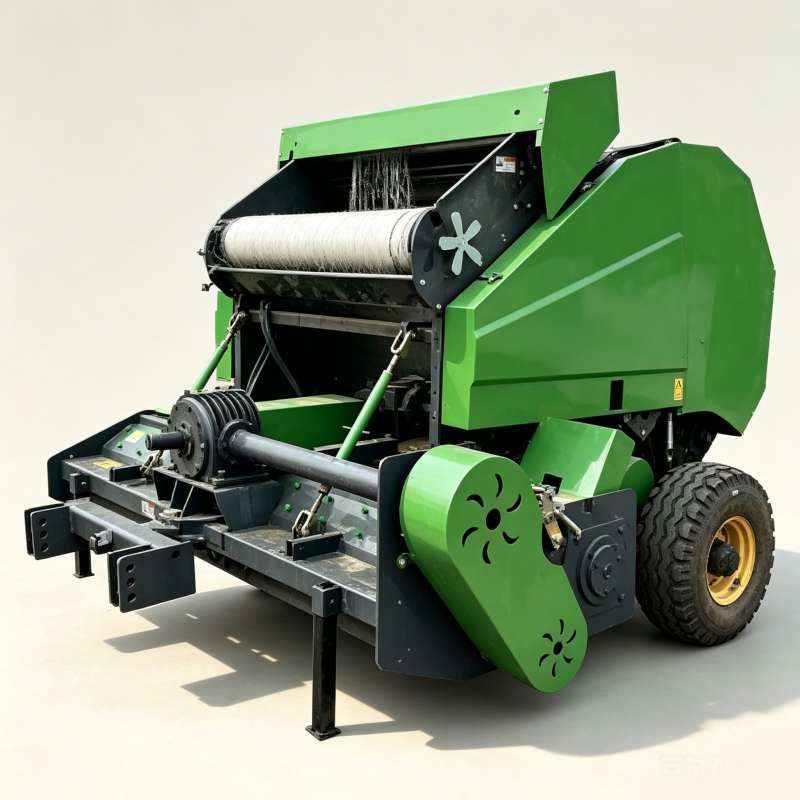
Cause confirmation for square baler missed knots
Missed Knot
Identify which side misses and what the failed twine looks like. A loose tail, uncut loop, pulled-out knot or complete absence of twine at the knotter provides different evidence. Link missed knot with twine tension during the first field check for square baler missed knots.
Twine Tension
Trace twine from the box through guides and tension devices. Confirm free movement without damaged eyelets, crossed strands or excessive drag. Link twine tension with baler needle during the first field check for square baler missed knots.
Baler Needle
Inspect needle condition and travel with the machine safely positioned for service. The needle must deliver twine to the knotter path without being bent, cracked or misaligned. Link baler needle with twine disc during the first field check for square baler missed knots.
Identify which side misses and what the failed twine looks like. A loose tail, uncut loop, pulled-out knot or complete absence of twine at the knotter provides different evidence. The square baler missed knots test should connect twine tension, baler needle, and billhook. Measure or inspect twine tension first. Then compare baler needle under the same crop load. For “Knot forms but stays on billhook,” the field meaning is billhook, wiper or release problem. The practical response is “Inspect wear and movement.” Avoid working around needles without securing the machine, because it can change the symptom without proving the cause. Trace twine from the box through guides and tension devices. Confirm free movement without damaged eyelets, crossed strands or excessive drag. When the next bale is complete, review billhook. A repeatable result should show the same direction on another representative pass.
Inspect needle condition and travel with the machine safely positioned for service. The needle must deliver twine to the knotter path without being bent, cracked or misaligned. Use billhook as evidence for square baler missed knots; use missed knot as a cross-check. Add baler needle so the record contains crop, machine, and output information. The row “Knot forms but stays on billhook” describes a useful boundary because billhook, wiper or release problem. Follow “Inspect wear and movement” only after that boundary is observed. Do not rely on changing knotter timing before checking twine delivery. Examine twine disc or holder, billhook, wiper or stripper and knife for wear, contamination and free movement. Compare a failing side with the working side when the baler has multiple knotters. If billhook improves while missed knot worsens, the adjustment has shifted the problem. Repeat the check before increasing production pace.
Trace twine from the box through guides and tension devices. Confirm free movement without damaged eyelets, crossed strands or excessive drag. Use twine disc as evidence for square baler missed knots; use billhook as a cross-check. Add twine tension so the record contains crop, machine, and output information. The row “No twine reaches knotter” describes a useful boundary because twine path, tension or needle delivery fault. Follow “Trace strand from box forward” only after that boundary is observed. Do not rely on changing twine tension, knife, billhook and timing in one troubleshooting step. Inspect needle condition and travel with the machine safely positioned for service. The needle must deliver twine to the knotter path without being bent, cracked or misaligned. If twine disc improves while billhook worsens, the adjustment has shifted the problem. Repeat the check before increasing production pace.
Examine twine disc or holder, billhook, wiper or stripper and knife for wear, contamination and free movement. Compare a failing side with the working side when the baler has multiple knotters. A controlled square baler missed knots review starts at twine tension. Compare it with baler needle; then document billhook. Under “No twine reaches knotter,” twine path, tension or needle delivery fault. That evidence supports the action “Trace strand from box forward.” One poor diagnostic path is replacing the billhook when twine never reaches it. Challenge that assumption with twine tension, not with guesswork. Check timing only after basic twine delivery and component condition are confirmed. Timing changes can create expensive interference if used as a first response to a simple twine problem. Confirm the finished result through baler needle. If field conditions changed, note the change beside billhook and run another comparable pass.
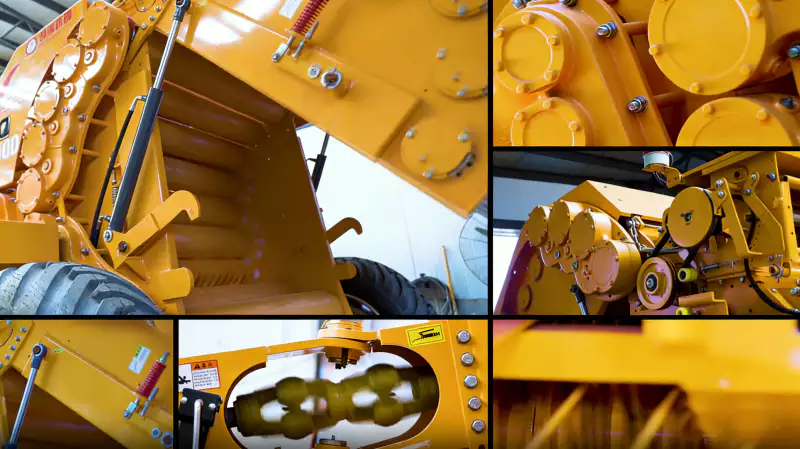
Measurement record for square baler missed knots
- missed knot
- Record missed knot for square baler missed knots. Pair it with “No twine reaches knotter,” where twine path, tension or needle delivery fault. The related verification is: Examine twine disc or holder, billhook, wiper or stripper and knife for wear, contamination and free movement. Compare a failing side with the working side when the baler has multiple knotters.
- twine tension
- Record twine tension for square baler missed knots. Pair it with “Knot forms but stays on billhook,” where billhook, wiper or release problem. The related verification is: Check timing only after basic twine delivery and component condition are confirmed. Timing changes can create expensive interference if used as a first response to a simple twine problem.
- baler needle
- Record baler needle for square baler missed knots. Pair it with “Intermittent miss,” where wear, variable tension, contamination or timing. The related verification is: Hand-cycle or service-cycle the mechanism only by the approved safe procedure, keeping personnel clear of needles, plunger and stored-energy components.
- twine disc
- Record twine disc for square baler missed knots. Pair it with “No twine reaches knotter,” where twine path, tension or needle delivery fault. The related verification is: Identify which side misses and what the failed twine looks like. A loose tail, uncut loop, pulled-out knot or complete absence of twine at the knotter provides different evidence.
- billhook
- Record billhook for square baler missed knots. Pair it with “Knot forms but stays on billhook,” where billhook, wiper or release problem. The related verification is: Trace twine from the box through guides and tension devices. Confirm free movement without damaged eyelets, crossed strands or excessive drag.
Decision matrix for square baler missed knots
| Condition | Meaning | Verification action |
|---|---|---|
| No twine reaches knotter | Twine path, tension or needle delivery fault | Trace strand from box forward; Compare left and right paths |
| Knot forms but stays on billhook | Billhook, wiper or release problem | Inspect wear and movement; Look at failed knot shape |
| Intermittent miss | Wear, variable tension, contamination or timing | Record which side and crop load; Avoid random multi-point adjustment |
| Release | Accept the square baler missed knots result when missed knot, twine tension, and baler needle support the same conclusion. | |

Six-step field sequence for square baler missed knots
- Step 1 — Baseline. Identify which side misses and what the failed twine looks like. A loose tail, uncut loop, pulled-out knot or complete absence of twine at the knotter provides different evidence. Write missed knot for square baler missed knots. Add crop condition and baler needle. Keep this record before adjustments.
- Step 2 — Locate. Trace twine from the box through guides and tension devices. Confirm free movement without damaged eyelets, crossed strands or excessive drag. Find the component or field point tied to twine tension. Compare it with “Knot forms but stays on billhook,” because billhook, wiper or release problem.
- Step 3 — Measure. Inspect needle condition and travel with the machine safely positioned for service. The needle must deliver twine to the knotter path without being bent, cracked or misaligned. Use a suitable measurement or inspection for baler needle. Keep billhook in the same pass so the comparison stays valid.
- Step 4 — Test. Examine twine disc or holder, billhook, wiper or stripper and knife for wear, contamination and free movement. Compare a failing side with the working side when the baler has multiple knotters. Make one square baler missed knots change tied to twine disc. Do not combine it with changing twine tension, knife, billhook and timing in one troubleshooting step. Observe the next bale.
- Step 5 — Correct. Check timing only after basic twine delivery and component condition are confirmed. Timing changes can create expensive interference if used as a first response to a simple twine problem. Apply “Inspect wear and movement” when the evidence supports it. Recheck twine tension; keep other settings unchanged when practical.
- Step 6 — Release. Hand-cycle or service-cycle the mechanism only by the approved safe procedure, keeping personnel clear of needles, plunger and stored-energy components. Release square baler missed knots to normal work only after missed knot and baler needle agree with the finished result. Save the record.
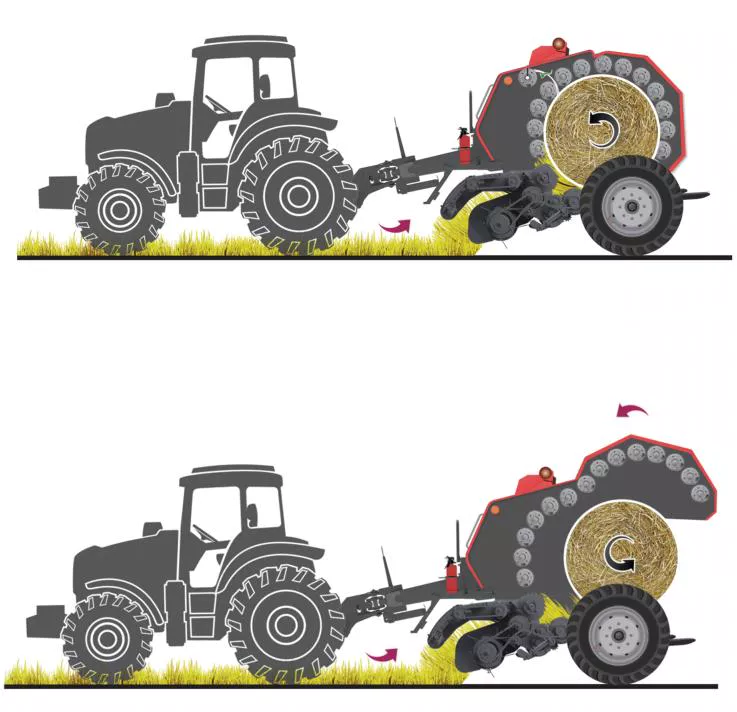
Worked example for square baler missed knots
Only the left knotter misses. The right knotter ties correctly with the same crop and bale density. Comparing the two sides shows the left twine path has much greater drag at a damaged guide, providing a specific cause before any timing adjustment is attempted. In the square baler missed knots record, place missed knot beside twine tension. Add the observed result for baler needle. Mark any moisture, yield, temperature, windrow, or operator change that occurred during the test; otherwise a crop change can be mistaken for a machine effect.
Errors that can mislead square baler missed knots
- Changing knotter timing before checking twine delivery. Check missed knot before accepting that explanation for square baler missed knots. Compare twine tension on the next pass. Use this counter-evidence: Inspect needle condition and travel with the machine safely positioned for service. The needle must deliver twine to the knotter path without being bent, cracked or misaligned.
- Working around needles without securing the machine. Check twine tension before accepting that explanation for square baler missed knots. Compare baler needle on the next pass. Use this counter-evidence: Examine twine disc or holder, billhook, wiper or stripper and knife for wear, contamination and free movement. Compare a failing side with the working side when the baler has multiple knotters.
- Replacing the billhook when twine never reaches it. Check baler needle before accepting that explanation for square baler missed knots. Compare twine disc on the next pass. Use this counter-evidence: Check timing only after basic twine delivery and component condition are confirmed. Timing changes can create expensive interference if used as a first response to a simple twine problem.
- Changing twine tension, knife, billhook and timing in one troubleshooting step. Check twine disc before accepting that explanation for square baler missed knots. Compare billhook on the next pass. Use this counter-evidence: Hand-cycle or service-cycle the mechanism only by the approved safe procedure, keeping personnel clear of needles, plunger and stored-energy components.
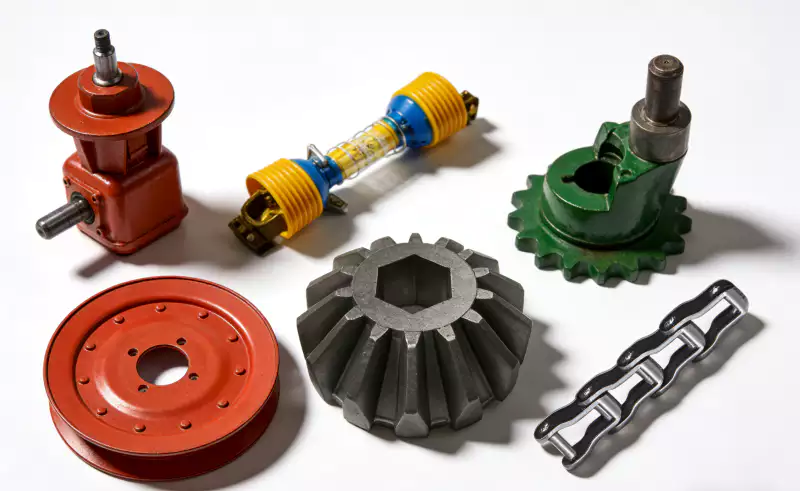
Frequently asked questions on square baler missed knots
Does a missed knot always mean a bad billhook?
No. Twine path, tension, needle delivery, disc holding, knife action, wiper movement and timing can all create missed knots. The failed-knot appearance helps narrow the sequence. For square baler missed knots, verify numeric limits affecting baler needle in the exact machine manual or written supplier specification.
Can poor-quality or wrong twine cause knotter problems?
Yes. Diameter, consistency, tensile behavior and surface condition can affect holding and knot release. Use twine compatible with the baler and inspect for damaged or inconsistent material. For square baler missed knots, verify numeric limits affecting twine disc in the exact machine manual or written supplier specification.
When should knotter timing be checked?
After confirming twine routing, tension and visible knotter components, or when service evidence indicates the needle and knotter sequence is no longer synchronized. Follow the model procedure exactly. For square baler missed knots, verify numeric limits affecting billhook in the exact machine manual or written supplier specification.
Corrective action for square baler missed knots
Finish the square baler missed knots decision with a short evidence chain. Record missed knot. Cross-check twine tension. Confirm the outcome through baler needle. If those observations conflict, return to twine disc before raising speed, density, workload, or purchase commitment. If the unresolved item is model-specific, request the documented value for billhook instead of estimating it.