
Cost boundary — baler downtime cost
Estimate downtime cost from lost field opportunity and forage risk, then prioritize spares by failure probability, lead time, repair time and consequence rather than part price alone.
A cost comparison must keep scope, time horizon, and usable output consistent. For baler downtime cost, start with downtime cost; cross-check spare-parts plan; then verify lead time. Those three observations prevent a single attractive feature or symptom from controlling the whole decision.
The exact baler downtime cost limit can depend on machine model, crop, region, or operating configuration. Check the baler manual for values tied to repair time. Ask the supplier for written data tied to harvest window. Use field evidence for downtime cost. This separation keeps documented facts distinct from assumptions.
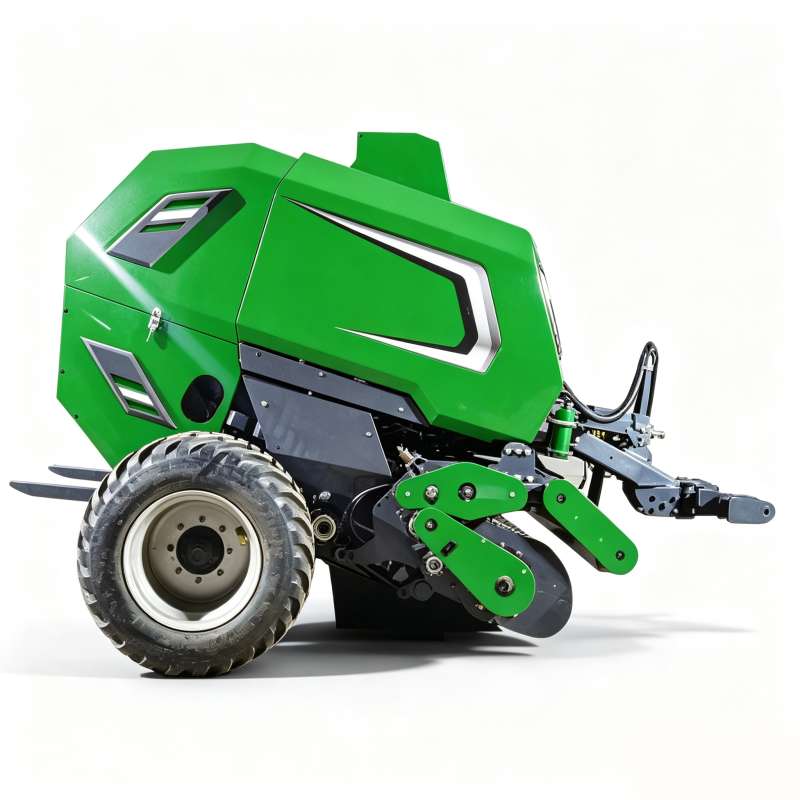
Economic inputs for baler downtime cost
Downtime Cost
Define downtime broadly: idle tractor and labor, contractor delay, lost field capacity, weather exposure, forage quality change and rescheduling all can matter more than the replacement part price. Link downtime cost with spare-parts plan during the first field check for baler downtime cost.
Spare-Parts Plan
List credible failure modes from service history and machine design, then score each by probability, local supplier lead time, repair duration and consequence during the harvest window. Link spare-parts plan with lead time during the first field check for baler downtime cost.
Lead Time
Prioritize parts that are inexpensive, machine-stopping and difficult to source quickly, especially when they can be replaced safely with the tools available. Link lead time with repair time during the first field check for baler downtime cost.
Define downtime broadly: idle tractor and labor, contractor delay, lost field capacity, weather exposure, forage quality change and rescheduling all can matter more than the replacement part price. Use lead time as evidence for baler downtime cost; use repair time as a cross-check. Add downtime cost so the record contains crop, machine, and output information. The row “Low priority” describes a useful boundary because rare major assembly or specialist repair. Follow “Plan access rather than automatically stock” only after that boundary is observed. Do not rely on ignoring tools, technical information and technician availability. List credible failure modes from service history and machine design, then score each by probability, local supplier lead time, repair duration and consequence during the harvest window. If lead time improves while repair time worsens, the adjustment has shifted the problem. Repeat the check before increasing production pace.
Prioritize parts that are inexpensive, machine-stopping and difficult to source quickly, especially when they can be replaced safely with the tools available. A controlled baler downtime cost review starts at downtime cost. Compare it with spare-parts plan; then document repair time. Under “Low priority,” rare major assembly or specialist repair. That evidence supports the action “Plan access rather than automatically stock.” One poor diagnostic path is ordering parts without confirming exact model and revision compatibility. Challenge that assumption with downtime cost, not with guesswork. Separate field-serviceable components from major assemblies. Stocking an expensive gearbox has little value if failure is rare and replacement requires dealer tooling, while a small sensor or pickup part can stop work immediately. Confirm the finished result through spare-parts plan. If field conditions changed, note the change beside repair time and run another comparable pass.
List credible failure modes from service history and machine design, then score each by probability, local supplier lead time, repair duration and consequence during the harvest window. A controlled baler downtime cost review starts at harvest window. Compare it with downtime cost; then document lead time. Under “Medium priority,” moderate consequence or reliable local supply. That evidence supports the action “Stock at workshop or pre-arrange.” One poor diagnostic path is ranking spares by purchase price instead of downtime consequence. Challenge that assumption with harvest window, not with guesswork. Prioritize parts that are inexpensive, machine-stopping and difficult to source quickly, especially when they can be replaced safely with the tools available. Confirm the finished result through downtime cost. If field conditions changed, note the change beside lead time and run another comparable pass.
Separate field-serviceable components from major assemblies. Stocking an expensive gearbox has little value if failure is rare and replacement requires dealer tooling, while a small sensor or pickup part can stop work immediately. For baler downtime cost, inspect repair time beside harvest window. Record spare-parts plan during that same pass. The “High priority” condition matters: Stops baling, plausible failure, long lead or quick field repair. Use the action “Keep on hand” as the next check, not as an automatic setting. A misleading shortcut is failing to update the plan after a real breakdown reveals a new weak point. Test that shortcut against repair time before accepting it. Create supplier redundancy for critical items by recording exact part numbers, compatible alternatives approved for the machine, dealer contacts and delivery options before harvest. Recheck harvest window after the correction. Keep spare-parts plan in the same record so crop change does not masquerade as machine improvement.
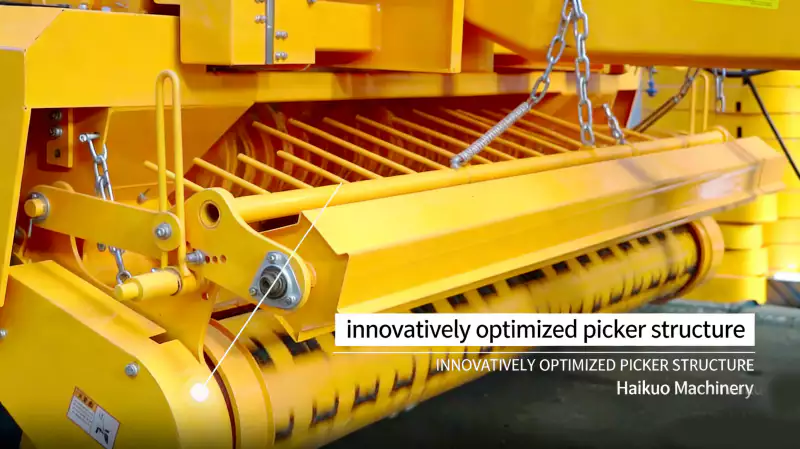
Measurement record for baler downtime cost
- downtime cost
- Record downtime cost for baler downtime cost. Pair it with “High priority,” where stops baling, plausible failure, long lead or quick field repair. The related verification is: Separate field-serviceable components from major assemblies. Stocking an expensive gearbox has little value if failure is rare and replacement requires dealer tooling, while a small sensor or pickup part can stop work immediately.
- spare-parts plan
- Record spare-parts plan for baler downtime cost. Pair it with “Medium priority,” where moderate consequence or reliable local supply. The related verification is: Create supplier redundancy for critical items by recording exact part numbers, compatible alternatives approved for the machine, dealer contacts and delivery options before harvest.
- lead time
- Record lead time for baler downtime cost. Pair it with “Low priority,” where rare major assembly or specialist repair. The related verification is: After every breakdown, update the plan with actual failure cause, repair time and parts consumed. A spare-parts plan should improve from real evidence each season.
- repair time
- Record repair time for baler downtime cost. Pair it with “High priority,” where stops baling, plausible failure, long lead or quick field repair. The related verification is: Define downtime broadly: idle tractor and labor, contractor delay, lost field capacity, weather exposure, forage quality change and rescheduling all can matter more than the replacement part price.
- harvest window
- Record harvest window for baler downtime cost. Pair it with “Medium priority,” where moderate consequence or reliable local supply. The related verification is: List credible failure modes from service history and machine design, then score each by probability, local supplier lead time, repair duration and consequence during the harvest window.
Decision matrix for baler downtime cost
| Condition | Meaning | Verification action |
|---|---|---|
| High priority | Stops baling, plausible failure, long lead or quick field repair | Keep on hand; Verify exact model compatibility |
| Medium priority | Moderate consequence or reliable local supply | Stock at workshop or pre-arrange; Track supplier availability |
| Low priority | Rare major assembly or specialist repair | Plan access rather than automatically stock; Document service route |
| Release | Accept the baler downtime cost result when downtime cost, spare-parts plan, and lead time support the same conclusion. | |
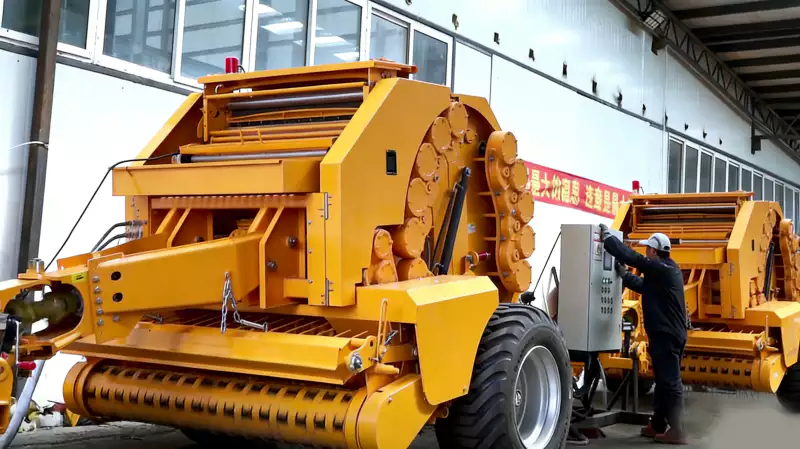
Six-step field sequence for baler downtime cost
- Step 1 — Baseline. Define downtime broadly: idle tractor and labor, contractor delay, lost field capacity, weather exposure, forage quality change and rescheduling all can matter more than the replacement part price. Write downtime cost for baler downtime cost. Add crop condition and lead time. Keep this record before adjustments.
- Step 2 — Locate. List credible failure modes from service history and machine design, then score each by probability, local supplier lead time, repair duration and consequence during the harvest window. Find the component or field point tied to spare-parts plan. Compare it with “Medium priority,” because moderate consequence or reliable local supply.
- Step 3 — Measure. Prioritize parts that are inexpensive, machine-stopping and difficult to source quickly, especially when they can be replaced safely with the tools available. Use a suitable measurement or inspection for lead time. Keep harvest window in the same pass so the comparison stays valid.
- Step 4 — Test. Separate field-serviceable components from major assemblies. Stocking an expensive gearbox has little value if failure is rare and replacement requires dealer tooling, while a small sensor or pickup part can stop work immediately. Make one baler downtime cost change tied to repair time. Do not combine it with failing to update the plan after a real breakdown reveals a new weak point. Observe the next bale.
- Step 5 — Correct. Create supplier redundancy for critical items by recording exact part numbers, compatible alternatives approved for the machine, dealer contacts and delivery options before harvest. Apply “Stock at workshop or pre-arrange” when the evidence supports it. Recheck spare-parts plan; keep other settings unchanged when practical.
- Step 6 — Release. After every breakdown, update the plan with actual failure cause, repair time and parts consumed. A spare-parts plan should improve from real evidence each season. Release baler downtime cost to normal work only after downtime cost and lead time agree with the finished result. Save the record.
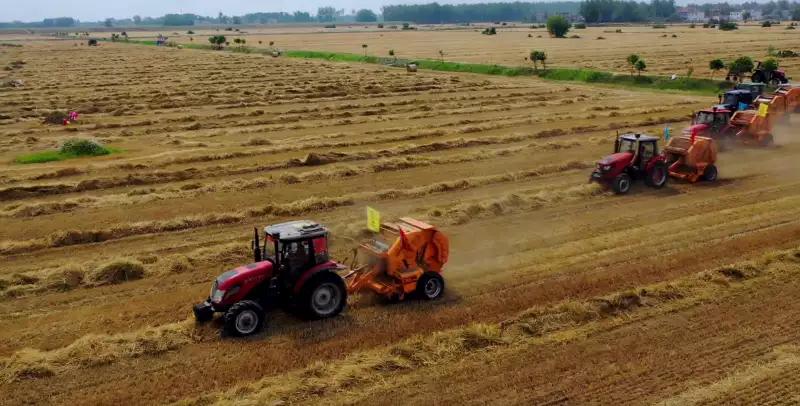
Worked example for baler downtime cost
A low-cost wrap sensor has a two-day local lead time and can stop every finished bale, while a major gearbox is expensive but has no prior failure history and requires dealer installation. The sensor can rationally rank higher in the harvest spare kit despite its much lower purchase price. In the baler downtime cost record, place downtime cost beside spare-parts plan. Add the observed result for lead time. Mark any moisture, yield, temperature, windrow, or operator change that occurred during the test; otherwise a crop change can be mistaken for a machine effect.
Errors that can mislead baler downtime cost
- Ranking spares by purchase price instead of downtime consequence. Check downtime cost before accepting that explanation for baler downtime cost. Compare spare-parts plan on the next pass. Use this counter-evidence: Prioritize parts that are inexpensive, machine-stopping and difficult to source quickly, especially when they can be replaced safely with the tools available.
- Ordering parts without confirming exact model and revision compatibility. Check spare-parts plan before accepting that explanation for baler downtime cost. Compare lead time on the next pass. Use this counter-evidence: Separate field-serviceable components from major assemblies. Stocking an expensive gearbox has little value if failure is rare and replacement requires dealer tooling, while a small sensor or pickup part can stop work immediately.
- Ignoring tools, technical information and technician availability. Check lead time before accepting that explanation for baler downtime cost. Compare repair time on the next pass. Use this counter-evidence: Create supplier redundancy for critical items by recording exact part numbers, compatible alternatives approved for the machine, dealer contacts and delivery options before harvest.
- Failing to update the plan after a real breakdown reveals a new weak point. Check repair time before accepting that explanation for baler downtime cost. Compare harvest window on the next pass. Use this counter-evidence: After every breakdown, update the plan with actual failure cause, repair time and parts consumed. A spare-parts plan should improve from real evidence each season.
Frequently asked questions on baler downtime cost
How can I estimate downtime cost per hour?
Add time-dependent labor, tractor or support costs and the expected value of lost or delayed crop work during that hour. Weather-risk cost may need a scenario range rather than one fixed number. For baler downtime cost, verify numeric limits affecting lead time in the exact machine manual or written supplier specification.
Should I keep a spare gearbox?
Only if failure probability, lead time, capital cost and replacement capability justify it. Many operations gain more value from smaller critical items plus a reliable major-component supplier plan. For baler downtime cost, verify numeric limits affecting repair time in the exact machine manual or written supplier specification.
What breakdown information should I record?
Record symptom, failed part, root cause, machine hours if available, repair duration, parts consumed, supplier lead time and whether secondary damage occurred. Those records improve next season inventory decisions. For baler downtime cost, verify numeric limits affecting harvest window in the exact machine manual or written supplier specification.
Scenario decision for baler downtime cost
Finish the baler downtime cost decision with a short evidence chain. Record downtime cost. Cross-check spare-parts plan. Confirm the outcome through lead time. If those observations conflict, return to repair time before raising speed, density, workload, or purchase commitment. If the unresolved item is model-specific, request the documented value for harvest window instead of estimating it.