
Starting condition — make uniform round bales
Build uniform round bales by matching windrow width and operator feeding pattern to chamber width, then verifying shoulder fill and finished shape.
A field procedure needs a baseline, one change, and a verification. For make uniform round bales, start with round bale shape; cross-check side-to-side feeding; then verify chamber loading. Those three observations prevent a single attractive feature or symptom from controlling the whole decision.
The exact make uniform round bales limit can depend on machine model, crop, region, or operating configuration. Check the baler manual for values tied to windrow width. Ask the supplier for written data tied to bale shoulders. Use field evidence for round bale shape. This separation keeps documented facts distinct from assumptions.
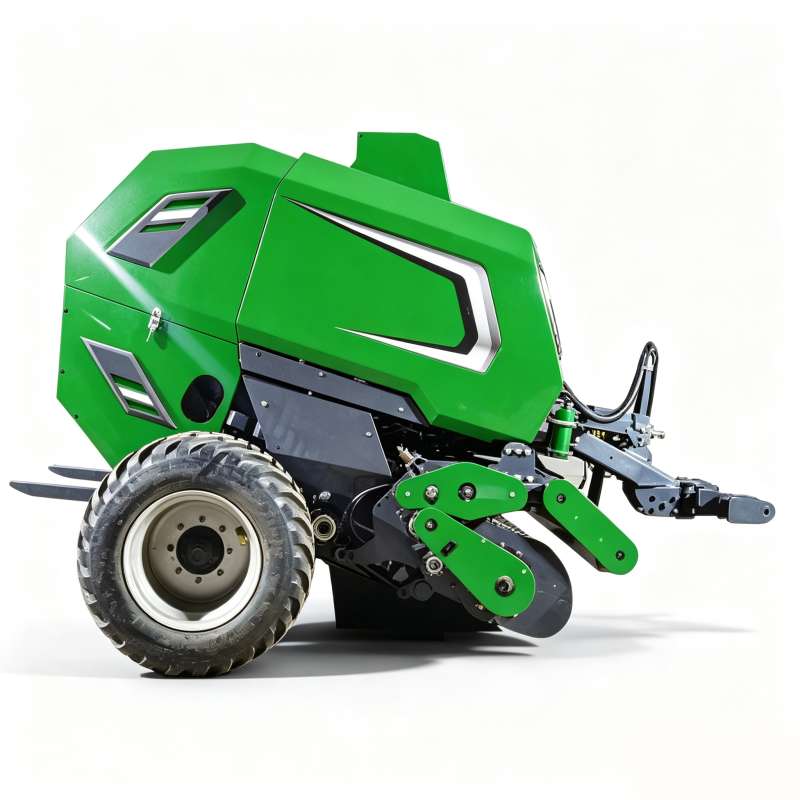
Adjustment sequence for make uniform round bales
Round Bale Shape
Measure the actual windrow width and compare it with the effective pickup and chamber width. The correct steering pattern depends on this relationship, not on a universal weaving rule. Link round bale shape with side-to-side feeding during the first field check for make uniform round bales.
Side-To-Side Feeding
When the row is narrow, feed each chamber side long enough to build the shoulder, then transition smoothly rather than making rapid steering corrections that move little crop. Link side-to-side feeding with chamber loading during the first field check for make uniform round bales.
Chamber Loading
When the windrow is broad enough to fill most of the pickup evenly, avoid unnecessary weaving that can create alternating heavy and light side loads. Link chamber loading with windrow width during the first field check for make uniform round bales.
Measure the actual windrow width and compare it with the effective pickup and chamber width. The correct steering pattern depends on this relationship, not on a universal weaving rule. The make uniform round bales test should connect side-to-side feeding, chamber loading, and bale shoulders. Measure or inspect side-to-side feeding first. Then compare chamber loading under the same crop load. For “Narrow windrow,” the field meaning is deliberately load alternate chamber sides. The practical response is “Builds both shoulders.” Avoid changing sides so fast that neither shoulder receives enough crop, because it can change the symptom without proving the cause. When the row is narrow, feed each chamber side long enough to build the shoulder, then transition smoothly rather than making rapid steering corrections that move little crop. When the next bale is complete, review bale shoulders. A repeatable result should show the same direction on another representative pass.
When the windrow is broad enough to fill most of the pickup evenly, avoid unnecessary weaving that can create alternating heavy and light side loads. Use bale shoulders as evidence for make uniform round bales; use round bale shape as a cross-check. Add chamber loading so the record contains crop, machine, and output information. The row “Narrow windrow” describes a useful boundary because deliberately load alternate chamber sides. Follow “Builds both shoulders” only after that boundary is observed. Do not rely on weaving continuously even when the windrow already fills the pickup. Maintain steady feeder flow through turns and headlands. A large pile entering one side can dominate the bale shape even if the rest of the row is uniform. If bale shoulders improves while round bale shape worsens, the adjustment has shifted the problem. Repeat the check before increasing production pace.
When the row is narrow, feed each chamber side long enough to build the shoulder, then transition smoothly rather than making rapid steering corrections that move little crop. Use windrow width as evidence for make uniform round bales; use bale shoulders as a cross-check. Add side-to-side feeding so the record contains crop, machine, and output information. The row “Broad uniform windrow” describes a useful boundary because use the full pickup evenly. Follow “Reduces steering correction” only after that boundary is observed. Do not rely on ignoring a soft shoulder that stays on the same machine side. When the windrow is broad enough to fill most of the pickup evenly, avoid unnecessary weaving that can create alternating heavy and light side loads. If windrow width improves while bale shoulders worsens, the adjustment has shifted the problem. Repeat the check before increasing production pace.
Maintain steady feeder flow through turns and headlands. A large pile entering one side can dominate the bale shape even if the rest of the row is uniform. A controlled make uniform round bales review starts at side-to-side feeding. Compare it with chamber loading; then document bale shoulders. Under “Broad uniform windrow,” use the full pickup evenly. That evidence supports the action “Reduces steering correction.” One poor diagnostic path is trying to build shape with density pressure alone. Challenge that assumption with side-to-side feeding, not with guesswork. Inspect pickup teeth and feeder distribution if one shoulder stays soft despite a consistent driving pattern. Confirm the finished result through chamber loading. If field conditions changed, note the change beside bale shoulders and run another comparable pass.
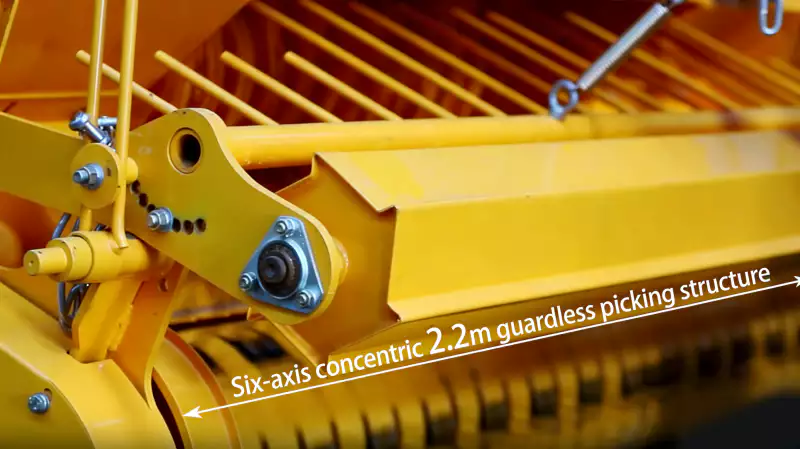
Measurement record for make uniform round bales
- round bale shape
- Record round bale shape for make uniform round bales. Pair it with “Broad uniform windrow,” where use the full pickup evenly. The related verification is: Maintain steady feeder flow through turns and headlands. A large pile entering one side can dominate the bale shape even if the rest of the row is uniform.
- side-to-side feeding
- Record side-to-side feeding for make uniform round bales. Pair it with “Narrow windrow,” where deliberately load alternate chamber sides. The related verification is: Inspect pickup teeth and feeder distribution if one shoulder stays soft despite a consistent driving pattern.
- chamber loading
- Record chamber loading for make uniform round bales. Pair it with “Irregular windrow,” where correct raking or reduce travel speed. The related verification is: Examine the first two or three test bales for diameter, shoulder firmness, wrap alignment and symmetry, then adjust one factor at a time.
- windrow width
- Record windrow width for make uniform round bales. Pair it with “Broad uniform windrow,” where use the full pickup evenly. The related verification is: Measure the actual windrow width and compare it with the effective pickup and chamber width. The correct steering pattern depends on this relationship, not on a universal weaving rule.
- bale shoulders
- Record bale shoulders for make uniform round bales. Pair it with “Narrow windrow,” where deliberately load alternate chamber sides. The related verification is: When the row is narrow, feed each chamber side long enough to build the shoulder, then transition smoothly rather than making rapid steering corrections that move little crop.
Decision matrix for make uniform round bales
| Condition | Meaning | Verification action |
|---|---|---|
| Broad uniform windrow | Use the full pickup evenly | Reduces steering correction; Watch both shoulders for consistent fill |
| Narrow windrow | Deliberately load alternate chamber sides | Builds both shoulders; Use smooth, measured transitions |
| Irregular windrow | Correct raking or reduce travel speed | Prevents load surges; Do not use steering alone to absorb every pile |
| Release | Accept the make uniform round bales result when round bale shape, side-to-side feeding, and chamber loading support the same conclusion. | |
Six-step field sequence for make uniform round bales
- Step 1 — Baseline. Measure the actual windrow width and compare it with the effective pickup and chamber width. The correct steering pattern depends on this relationship, not on a universal weaving rule. Write round bale shape for make uniform round bales. Add crop condition and chamber loading. Keep this record before adjustments.
- Step 2 — Locate. When the row is narrow, feed each chamber side long enough to build the shoulder, then transition smoothly rather than making rapid steering corrections that move little crop. Find the component or field point tied to side-to-side feeding. Compare it with “Narrow windrow,” because deliberately load alternate chamber sides.
- Step 3 — Measure. When the windrow is broad enough to fill most of the pickup evenly, avoid unnecessary weaving that can create alternating heavy and light side loads. Use a suitable measurement or inspection for chamber loading. Keep bale shoulders in the same pass so the comparison stays valid.
- Step 4 — Test. Maintain steady feeder flow through turns and headlands. A large pile entering one side can dominate the bale shape even if the rest of the row is uniform. Make one make uniform round bales change tied to windrow width. Do not combine it with ignoring a soft shoulder that stays on the same machine side. Observe the next bale.
- Step 5 — Correct. Inspect pickup teeth and feeder distribution if one shoulder stays soft despite a consistent driving pattern. Apply “Builds both shoulders” when the evidence supports it. Recheck side-to-side feeding; keep other settings unchanged when practical.
- Step 6 — Release. Examine the first two or three test bales for diameter, shoulder firmness, wrap alignment and symmetry, then adjust one factor at a time. Release make uniform round bales to normal work only after round bale shape and chamber loading agree with the finished result. Save the record.
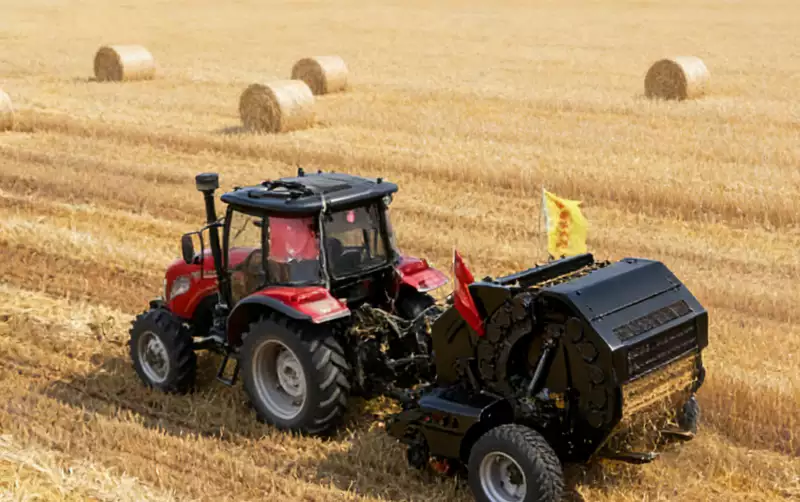
Worked example for make uniform round bales
An operator on a narrow row stays on the right edge until the right shoulder is full but switches sides too late, producing a recurring cone. Shortening the dwell and using a repeatable side-to-side rhythm makes the next test bales more symmetrical. In the make uniform round bales record, place round bale shape beside side-to-side feeding. Add the observed result for chamber loading. Mark any moisture, yield, temperature, windrow, or operator change that occurred during the test; otherwise a crop change can be mistaken for a machine effect.
Errors that can mislead make uniform round bales
- Weaving continuously even when the windrow already fills the pickup. Check round bale shape before accepting that explanation for make uniform round bales. Compare side-to-side feeding on the next pass. Use this counter-evidence: When the windrow is broad enough to fill most of the pickup evenly, avoid unnecessary weaving that can create alternating heavy and light side loads.
- Changing sides so fast that neither shoulder receives enough crop. Check side-to-side feeding before accepting that explanation for make uniform round bales. Compare chamber loading on the next pass. Use this counter-evidence: Maintain steady feeder flow through turns and headlands. A large pile entering one side can dominate the bale shape even if the rest of the row is uniform.
- Trying to build shape with density pressure alone. Check chamber loading before accepting that explanation for make uniform round bales. Compare windrow width on the next pass. Use this counter-evidence: Inspect pickup teeth and feeder distribution if one shoulder stays soft despite a consistent driving pattern.
- Ignoring a soft shoulder that stays on the same machine side. Check windrow width before accepting that explanation for make uniform round bales. Compare bale shoulders on the next pass. Use this counter-evidence: Examine the first two or three test bales for diameter, shoulder firmness, wrap alignment and symmetry, then adjust one factor at a time.
Frequently asked questions on make uniform round bales
Do I always need to weave when making round bales?
No. The need depends on windrow width, pickup width and chamber design. A broad, uniform row may already distribute crop across the chamber. For make uniform round bales, verify numeric limits affecting chamber loading in the exact machine manual or written supplier specification.
How long should I stay on each side of a narrow windrow?
There is no universal time. Watch the machine indicator if equipped and inspect finished shoulders, then develop a repeatable rhythm for that crop and windrow. For make uniform round bales, verify numeric limits affecting windrow width in the exact machine manual or written supplier specification.
What causes loose bale shoulders?
Insufficient edge feeding, an overly narrow row, pickup-side losses or a machine-side chamber issue can all reduce shoulder density. Test feed distribution before changing density settings. For make uniform round bales, verify numeric limits affecting bale shoulders in the exact machine manual or written supplier specification.
Output verification for make uniform round bales
Finish the make uniform round bales decision with a short evidence chain. Record round bale shape. Cross-check side-to-side feeding. Confirm the outcome through chamber loading. If those observations conflict, return to windrow width before raising speed, density, workload, or purchase commitment. If the unresolved item is model-specific, request the documented value for bale shoulders instead of estimating it.